Digging Done Right the First Time
Excavation in Lakeland for foundations, trenches, and site preparation requiring accurate digging with minimal disruption
Foundations poured in trenches cut too shallow settle unevenly, utility lines installed at incorrect depths fail inspections, and drainage systems dug without slope calculations never move water as intended. Excavation services support residential builds, drainage work, and property improvements by providing precision digging that meets engineering specifications and avoids the costly corrections that follow inaccurate excavation. 3B Land Management operates excavation equipment in Lakeland and throughout Polk County with attention to depth accuracy, trench stability, and minimal disruption to surrounding areas, handling projects across a range of sizes and site conditions with local experience in Florida soil and terrain.
The excavation process involves removing soil to specified depths and dimensions for foundation footers, utility trenches, drainage features, or site leveling, with each project requiring different equipment and techniques based on soil type, water table depth, and what the excavated area will support. Florida's sandy soils excavate quickly but require trench shoring or sloped walls to prevent collapse, while clay layers demand different equipment to break through hardpan without damaging nearby structures or underground utilities.
Request a free estimate and consultation to review excavation requirements and site-specific considerations before work begins.
Why Accurate Excavation Works for Construction and Drainage
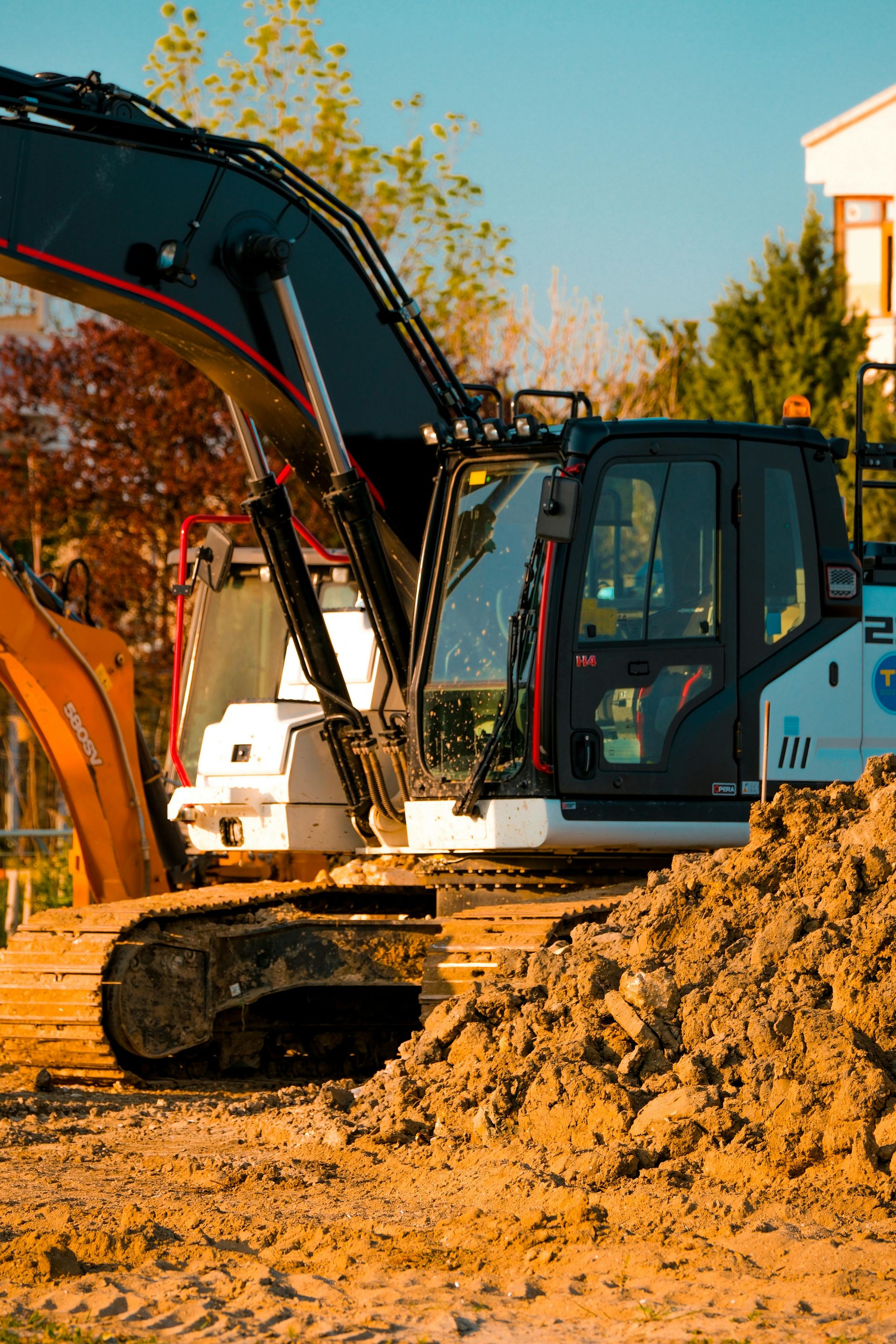
Excavation accuracy depends on equipment operated by someone who understands grade stakes, depth measurements, and how soil behaves under different moisture conditions—digging too deep wastes fill material and delays construction, while insufficient depth causes footer rejection or drainage failure. GPS-guided or manually checked excavation ensures trenches meet specifications for width, depth, and slope, with soil stockpiled for backfill or removed from the site depending on project needs and whether material is suitable for reuse.
Once excavation is finished, you'll notice clean trench lines ready for footer forms or utility installation, stable walls that won't collapse during the next phase of work, and accurate depths confirmed before concrete or pipe placement begins. Proper excavation also prevents the settling issues that occur when backfill isn't compacted correctly or when trenches are cut through unstable soil without addressing subsurface water.
The service includes digging to specified dimensions, soil removal or stockpiling, and site cleanup after excavation, but does not include backfilling, compaction, or material delivery unless those tasks are part of a larger site development project. Excavation supports the structural and functional requirements that follow, and precision at this stage prevents problems that only become visible after construction is complete.
What Property Owners Usually Ask
Excavation projects in Lakeland vary based on soil conditions, depth requirements, and whether the work involves foundations, utilities, or drainage improvements.
What equipment is used for excavation work?
Equipment selection depends on trench depth, soil type, and site access—compact excavators handle residential lots with limited space, while larger tracked excavators dig deeper trenches or move greater volumes of soil on commercial sites or acreage projects.
How is excavation depth verified during the work?
Depth is checked using laser levels, grade stakes set by surveyors, or manual measurements against reference points, with confirmation completed before any footer forms, pipes, or drainage structures are installed in the excavated area.
What happens if underground utilities are encountered?
Utility lines are located before excavation begins through site surveys and utility marking services, with digging adjusted or hand-excavated near marked lines to prevent damage that would halt the project and require expensive emergency repairs.
How does Florida soil affect excavation?
Sandy soils common in Central Florida drain quickly but require wider trench cuts or temporary shoring to prevent wall collapse, while deeper excavation may encounter clay layers or the water table, both of which affect digging techniques and timeline.
When should excavation be scheduled?
Excavation happens after clearing and grading are complete so the site is accessible and drainage patterns are established, and before any construction phases that depend on trenches or foundation footers being ready for the next step.
3B Land Management provides excavation services for residential and commercial projects with clear project planning and accurate results. Reach out to discuss your excavation needs, timeline, and site conditions that affect how the work will proceed.