
Lawns Established in Hours Instead of Months
Sod Installation in Lakeland for properties requiring immediate grass coverage after construction or lawn failure
Bare soil turns to mud during Florida's afternoon thunderstorms, erodes into low spots, and becomes a weed seed bed long before seeded grass establishes enough coverage to hold the surface. Sod installation creates an instant lawn that controls erosion immediately and provides usable outdoor space within weeks instead of waiting months for seed germination and fill-in. Properties finishing new construction, replacing failed lawns overtaken by weeds, or correcting drainage issues that required regrading rely on sod to stabilize soil and restore curb appeal quickly.
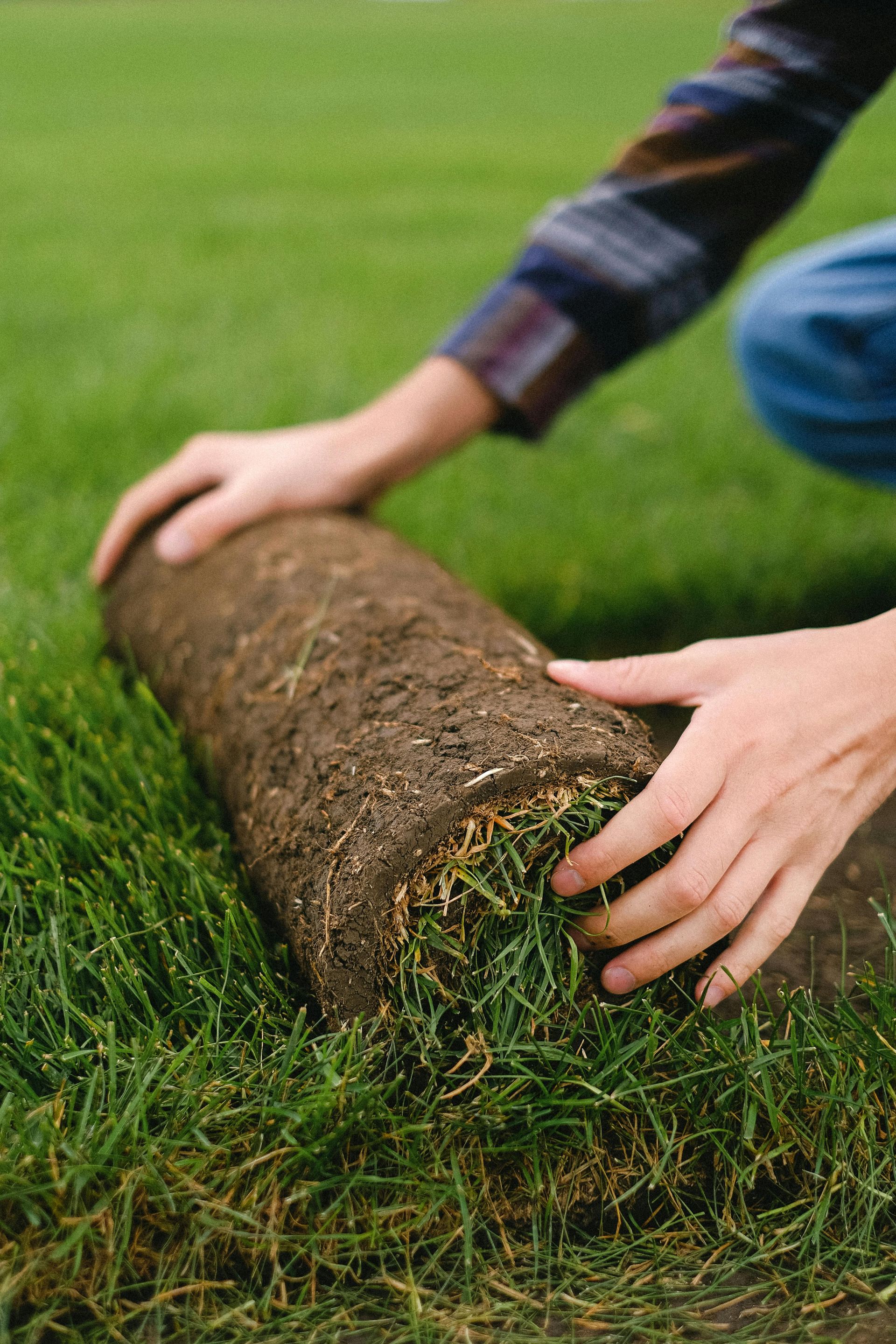
The installation process begins with ground preparation—removing existing vegetation, grading the surface to eliminate low spots where water pools, and amending soil if compaction or sand content will prevent root establishment. Sod is laid in staggered seams like brickwork to prevent gaps from opening as pieces settle, and edges are tucked tightly to avoid exposed soil that invites weeds.
Request a property evaluation to determine soil preparation needs and receive guidance on post-installation watering that ensures root development.
What Proper Sod Installation Requires
Ground preparation determines whether sod roots into the underlying soil or remains a floating mat that browns out during dry periods. The surface is graded to slope away from structures, compacted areas are loosened so roots can penetrate, and organic matter is incorporated if native sand lacks water retention. In Lakeland, where soil is often sandy and drains rapidly, adding compost or topsoil before installation helps newly installed sod retain enough moisture to establish roots before summer heat stress begins.
After installation and the initial establishment period, you notice a lawn that feels firm underfoot instead of spongy, grass that remains green between waterings once roots reach deeper soil, and uniform coverage without the patchy appearance of seeded lawns that germinate unevenly. The yard becomes usable for foot traffic and play within weeks instead of remaining off-limits for months while fragile seedlings mature.
Installation includes site preparation, sod delivery and layout, and initial watering recommendations based on weather conditions and time of year. It does not include irrigation system installation or ongoing lawn maintenance, though 3B Land Management provides guidance on mowing height and fertilization timing that support long-term health.
Answers to Frequent Service Questions
Homeowners and commercial property managers in Lakeland often need clarity on timing, soil preparation, and how to care for newly installed sod during the critical establishment phase.
What soil preparation is required before sod installation?
The existing surface is cleared of debris and dead vegetation, graded to eliminate depressions that hold water, and loosened if compacted to allow root penetration—without these steps, sod may establish poorly or develop brown patches over hard spots.
How soon can sod be walked on after installation?
Light foot traffic is possible within two weeks once roots begin anchoring, but heavy use, play equipment, or mowing should wait until roots have grown into the soil below the sod layer, typically three to four weeks depending on watering consistency and weather.
When is the best time to install sod in Lakeland?
Fall through early spring offers cooler temperatures and more consistent rainfall that reduce watering demands during establishment, though sod can be installed year-round if irrigation is available to support summer installations through heat stress.
What type of grass is used for sod installation?
Variety selection depends on sun exposure, intended use, and maintenance preferences—some grasses tolerate shade or heavy traffic better than others, and the choice affects how often mowing and fertilization are needed after establishment.
How much watering does new sod require?
Immediately after installation, sod needs daily watering to prevent edges from drying and curling, with frequency gradually reduced as roots establish over two to three weeks—overwatering causes fungal issues, while underwatering prevents rooting.
3B Land Management offers free estimates that include site assessment, soil preparation recommendations, and sod variety selection based on your property's specific conditions and how the lawn will be used. Schedule a consultation to discuss your project timeline and receive guidance on maintaining healthy grass after installation.