Branches That Won't Threaten Your Property
Tree Trimming in Lakeland and throughout Polk County for overgrown limbs near structures and power lines
Overgrown branches scraping against rooflines, hanging over driveways, or leaning toward power lines create hazards that worsen with every storm season. 3B Land Management handles tree trimming in Lakeland and throughout Polk County using proper techniques that prioritize long-term tree health alongside immediate safety concerns. The work removes dangerous limbs while shaping canopies to withstand Florida's wind and storm patterns without causing permanent damage to the tree's structure.
Tree trimming addresses branches that obstruct walkways, shade out desired plantings, or pose falling risks during high winds. The process involves selective removal based on branch angle, weight distribution, and the tree's natural growth pattern rather than indiscriminate cutting that weakens the canopy. Proper cuts are made at branch collars to encourage correct healing and prevent disease entry points that compromise the tree over time.
Schedule a property evaluation to identify which limbs require removal and which support healthy canopy development.
What Proper Trimming Requires
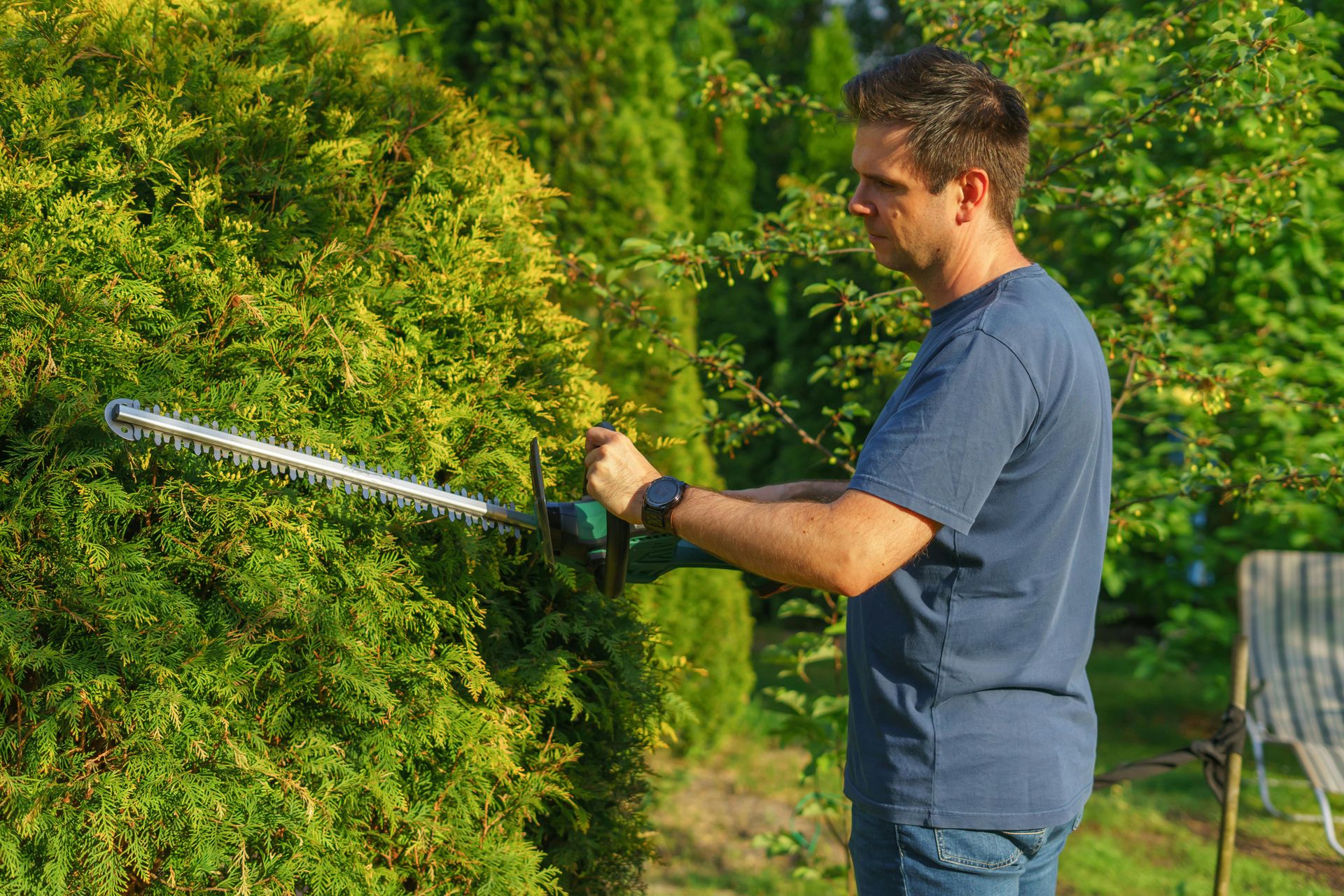
The trimming process begins with assessment of branch structure, identifying deadwood, crossing limbs, and sections that create imbalance or risk. Cuts are positioned to preserve the branch collar, the swollen area where a branch meets the trunk, which contains cells necessary for wound closure. Removal follows a three-cut method on larger branches to prevent bark tearing that exposes the tree to fungal infection and decay.
After trimming, your property shows immediate improvement in clearance around structures, reduced shading over turf or garden beds, and a canopy shape that directs growth away from problem areas. Trees develop stronger branch architecture when weight is distributed correctly, and properly spaced limbs allow air movement that reduces storm damage risk. You'll notice less debris accumulation during wind events and improved visibility along driveways and sight lines.
Trimming does not include treatment for disease or pest issues, though visible signs of infestation or fungal growth are noted during the assessment. The service focuses on structural improvement and hazard removal rather than comprehensive tree health interventions that may require specialized arborist consultation or ongoing treatment plans.
What Property Owners Usually Ask
Tree trimming in Haines City and Lakeland addresses common concerns about timing, scope, and long-term tree health following the work.
What time of year works best for trimming?
Most trimming can occur year-round in Florida, though late winter before spring growth provides the advantage of easier branch identification and faster wound closure as the tree enters active growth. Storm-damaged limbs should be removed immediately regardless of season to prevent further breakage or property damage.
How much of the canopy can be safely removed at once?
Removal generally stays below 25 percent of the live canopy in a single session to avoid stressing the tree, though deadwood and clearly hazardous limbs are removed regardless of total volume. Excessive removal forces the tree to redirect energy toward survival rather than structural development, leading to weak regrowth and increased vulnerability.
What happens to branches that hang over structures?
Branches are cut back to the nearest lateral branch or the trunk using proper collar cuts rather than stub cuts that invite decay. Clearance is established based on the structure's height and the tree's growth rate, accounting for several years of expansion before regrowth reaches the same proximity.
Why do some branches need removal even if they look healthy?
Crossing branches create friction wounds that provide disease entry points, and branches with narrow attachment angles are prone to splitting under load. Removing these before failure occurs prevents larger problems and allows the tree to close wounds while still vigorous.
What changes after the work is finished?
You'll see improved clearance around buildings, better light penetration to ground level, and a canopy shape that directs future growth away from conflict points. The tree develops a more open structure that reduces wind resistance and allows inspection of interior branches for future maintenance needs.
3B Land Management provides free estimates with straightforward pricing based on tree size, access difficulty, and the extent of trimming required. Request a consultation to review which branches create current risks and how trimming improves both immediate safety and long-term tree structure across your property.