Land Prepared Correctly Before Building Starts
Site Development in Lakeland and throughout Polk County for new construction projects requiring clearing, grading, and excavation combined into ready-to-build land
New construction timelines depend on site readiness—whether the land is cleared of vegetation, graded for drainage, and excavated for utilities before crews arrive to pour foundations or install infrastructure. Site development combines clearing, grading, and excavation into a coordinated preparation process that delivers ready-to-build land for residential, commercial, and industrial projects. 3B Land Management supports builders, contractors, and property owners across Central Florida growth areas with complete site preparation services in Lakeland, Haines City, and throughout Polk County, focusing on efficiency, safety, and proper land preparation that keeps projects on schedule.
The process begins with vegetation removal and continues through grading that establishes drainage patterns and level building pads, followed by excavation for foundations, utility trenches, and stormwater management features. Each phase is sequenced to avoid rework—clearing exposes grade issues, grading reveals soil conditions that affect excavation depth, and excavation uncovers any subsurface obstacles before they delay construction. Central Florida terrain often includes variable soil layers, seasonal water tables, and sandy conditions that shift during heavy rain, requiring equipment and techniques adjusted to site-specific conditions.
Arrange a project consultation to review site plans and receive a coordinated estimate covering all preparation phases.
What Site Development Actually Accomplishes
Site development planning identifies which areas require clearing, where grade changes must occur to meet drainage codes, and how excavation will be staged to minimize soil movement and compaction issues. Equipment is selected based on lot access, soil type, and project scale—tracked machinery handles wet or unstable ground without creating ruts that interfere with later phases, while excavators and grading equipment work together to shape the site efficiently without multiple mobilizations.
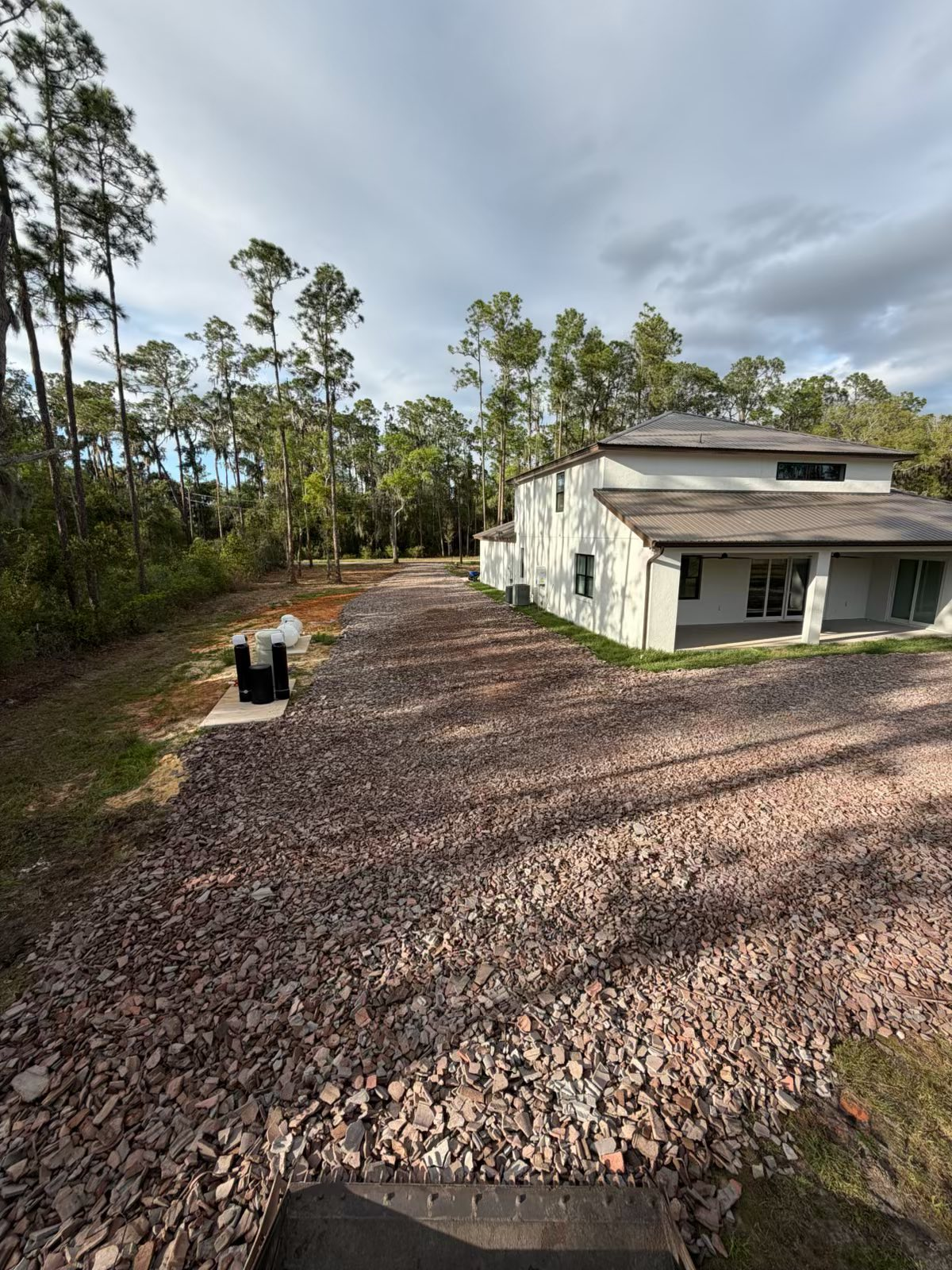
After site development is complete, you'll see a property transformed from raw land into a construction-ready site with cleared access routes, established drainage flow, level building pads meeting engineering specifications, and excavated areas ready for foundation footers or utility installation. The preparation also includes erosion control measures that prevent soil loss during construction and stormwater runoff that affects neighboring properties.
Clear communication and planning from start to finish ensure each phase transitions smoothly into the next without delays caused by coordination gaps or unforeseen site conditions. The service integrates multiple preparation tasks into a single project timeline, but does not include permitting assistance, engineering design, or material supply beyond what site work requires unless specified separately.
Answers to Frequent Service Questions
Site development projects vary based on lot size, existing conditions, and what the completed site must support for construction and long-term use.
What's included in site development compared to individual services?
Site development combines clearing, grading, and excavation into one coordinated project, reducing equipment mobilization costs and ensuring each phase is completed in the correct sequence without scheduling gaps or rework.
How long does site development take for a residential lot?
Timeline depends on lot size, vegetation density, and excavation requirements, but a typical single-family residential lot in Haines City is usually prepared within a few days to a week once equipment is on-site and weather conditions allow.
What site conditions affect the development process?
Water table depth, soil composition, existing vegetation type, and grade changes all influence equipment needs and how much material must be moved or compacted to achieve a stable, properly drained building surface.
How is drainage handled during site development?
Grading establishes slopes that direct water toward retention areas, swales, or existing drainage systems, while excavation creates pathways for stormwater pipes or culverts that manage runoff during and after construction.
What should be ready before site development begins?
Approved site plans, survey stakes marking clearing limits and building pad locations, and utility line locations identified through site surveys ensure the work proceeds accurately without damaging existing infrastructure or clearing beyond property boundaries.
3B Land Management coordinates site preparation with your construction schedule to deliver land ready for building when your crews need it. Contact us to discuss project scope, timeline expectations, and detailed estimates based on current site conditions and your development plans.